

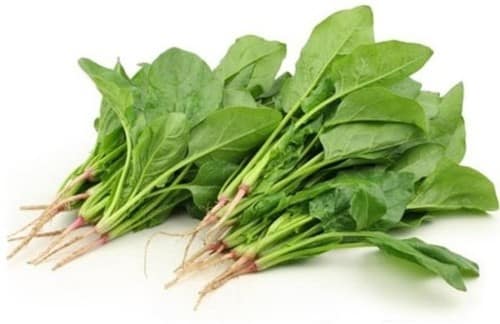
Mountain spinach is a nutritious green leafy vegetable grown in mountainous regions. It is known for its small leaves and fine stems and is rich in iron, vitamins, minerals, and antioxidants, which help increase hemoglobin, improve digestion, and boost immunity. It is used in traditional dishes like ‘Palak ka Kapa’ in Uttarakhand.
Key Points of Mountain Spinach:
• Nutrients: It is an excellent source of protein, iron, calcium, fiber, vitamin A, folate, and antioxidants, which are beneficial for blood circulation, eyesight, and strength.
• Health Benefits: It strengthens the digestive system, prevents constipation, helps reduce dehydration, and relieves fatigue and weakness.
• Uses: It is used in dishes like sabji, saag, parathas, and palak paneer, especially in Uttarakhand. ‘Palak ka Kapa’ (rice flour and spinach gravy) is very popular.
• Characteristics: It has smaller and finer leaves than regular spinach, making it more delicious.
•
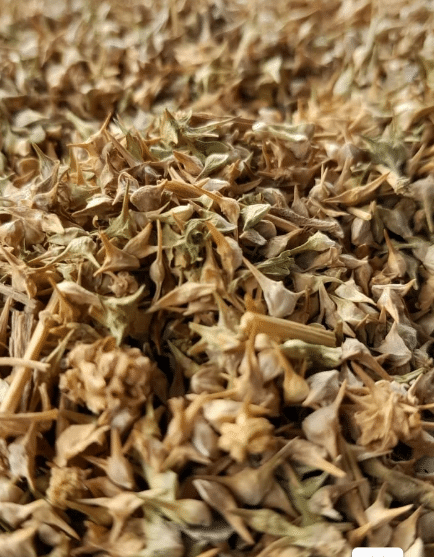
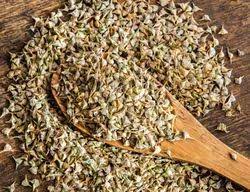
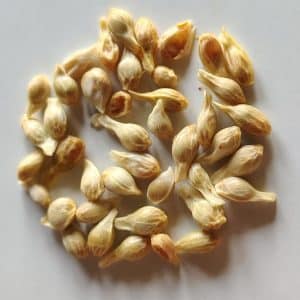
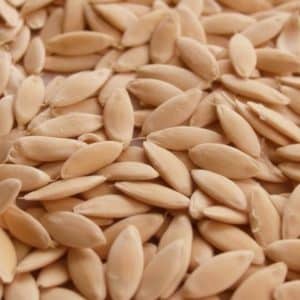
Mountain Spinach (Orach) seeds are small, brownish-black. Unlike regular spinach, they belong to the Atriplex hortensis species, which is heat-tolerant and nutrient-rich. They are easy to grow, thrive in dry and poor soil, and can be eaten as a salad or cooked.
Characteristics of Mountain Spinach Seeds:
• Botanical name: It is actually not spinach but orach (Atriplex hortensis), a good spinach alternative that grows in the mountains.
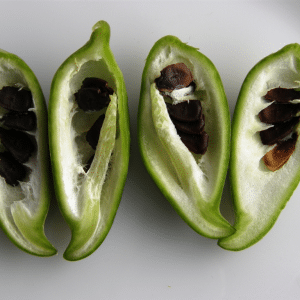
• Appearance: The seeds are small, black or brown, and the plant produces tall flowers with red or green leaves, making it an attractive addition to the garden.
• Nutrients: It is rich in vitamin C, calcium, potassium, and zinc, and has a mild salty aroma.
• Cultivation: It grows in cool climates and is sown in October-November. It is ready for home use in about a month, and can take up to 150 days to produce seeds.
How to grow mountain spinach from seeds:
1. Sowing time: It is best sown in cool weather (spring or fall), but it also grows in summer.
2. Soil: It grows best in well-drained soil rich in organic matter.
3. Sowing: Scatter the seeds directly into the soil or sow them in small pots, then cover them lightly with soil.
4. Care: Water regularly and leave a few plants to produce seeds.
Seed Saving:
When the seeds are ripe and dry, harvest them, dry them thoroughly in the sun, and store them for next year.
पहाड़ी पालक (Mountain Spinach) एक पौष्टिक हरी पत्तेदार सब्जी है जो पहाड़ी क्षेत्रों में उगाई जाती है, यह अपने छोटे पत्तों और बारीक डंडियों के लिए जानी जाती है और आयरन, विटामिन्स, मिनरल्स व एंटीऑक्सीडेंट से भरपूर होती है, जो हीमोग्लोबिन बढ़ाने, पाचन सुधारने और रोग प्रतिरोधक क्षमता बढ़ाने में मदद करती है, और उत्तराखंड में ‘पालक का कापा’ जैसे पारंपरिक व्यंजनों में इस्तेमाल होती है।
पहाड़ी पालक के मुख्य बिंदु:
• पोषक तत्व: यह प्रोटीन, आयरन, कैल्शियम, फाइबर, विटामिन ए, फोलेट और एंटीऑक्सीडेंट का बेहतरीन स्रोत है, जो खून बढ़ाने, आँखों की रोशनी और शारीरिक ताकत के लिए फायदेमंद है।
• स्वास्थ्य लाभ: पाचन तंत्र को मजबूत करती है, कब्ज से बचाती है, शरीर को पानी की कमी से बचाती है और थकान व कमजोरी दूर करती है।
• उपयोग: इसे सब्जी, साग, पराठे और पालक पनीर जैसे व्यंजनों में इस्तेमाल किया जाता है, खासकर उत्तराखंड में ‘पालक का कापा’ (चावल के आटे और पालक की तरी) बहुत लोकप्रिय है।
• विशेषता: यह सामान्य पालक की तुलना में छोटे और अधिक बारीक पत्तों वाली होती है, जो इसे और स्वादिष्ट बनाती है।
•
पहाड़ी पालक (Mountain Spinach/Orach) के बीज छोटे, भूरे-काले होते हैं, जो सामान्य पालक से अलग Atriplex hortensis प्रजाति के होते हैं, जो गर्मी सहते हैं और पोषक तत्वों से भरपूर होते हैं; इन्हें उगाना आसान है, ये सूखे और खराब मिट्टी में भी पनपते हैं, और इन्हें सलाद या पकाकर खाया जा सकता है,
पहाड़ी पालक के बीज (Mountain Spinach Seeds) की विशेषताएँ:
• वानस्पतिक नाम: यह असल में पालक (Spinach) नहीं बल्कि ओरैच (Atriplex hortensis) है, जो पालक का अच्छा विकल्प है और पहाड़ों में उगता है.
• रूप: इसके बीज छोटे, काले या भूरे रंग के होते हैं और इनके पौधे में लाल या हरे रंग की पत्तियों के साथ ऊँचे फूल आते हैं, जो बगीचे को आकर्षक बनाते हैं.
• पोषक तत्व: यह विटामिन सी, कैल्शियम, पोटेशियम और जिंक से भरपूर होता है, और इसमें हल्की नमकीन खुशबू होती है
• खेती: यह ठंडी जलवायु में उगती है और अक्टूबर-नवंबर में बोई जाती है, लगभग एक महीने में घरेलू उपयोग के लिए तैयार हो जाती है, और बीज उत्पादन के लिए 150 दिन तक लग सकते हैं।
बीजों से पहाड़ी पालक कैसे उगाएं:
1. बुवाई का समय: ठंडे मौसम (वसंत या पतझड़) में बोना अच्छा होता है, लेकिन यह गर्मी में भी बढ़ता है.
2. मिट्टी: अच्छी जल निकासी वाली मिट्टी में, जिसमें कार्बनिक पदार्थ हों, यह सबसे अच्छा उगता है.
3. बुवाई: बीजों को सीधे मिट्टी में बिखेर दें या छोटे गमलों में बोएं, फिर हल्की मिट्टी से ढक दें.
4. देखभाल: नियमित पानी दें और कुछ पौधों को बीज बनाने के लिए छोड़ दें.
बीज कैसे बचाएं (Seed Saving):
जब पौधे के बीज पक जाएं और सूख जाएं, तो उन्हें तोड़कर धूप में अच्छी तरह सुखा लें और अगले साल के लिए स्टोर कर लें.

There are no reviews yet.