

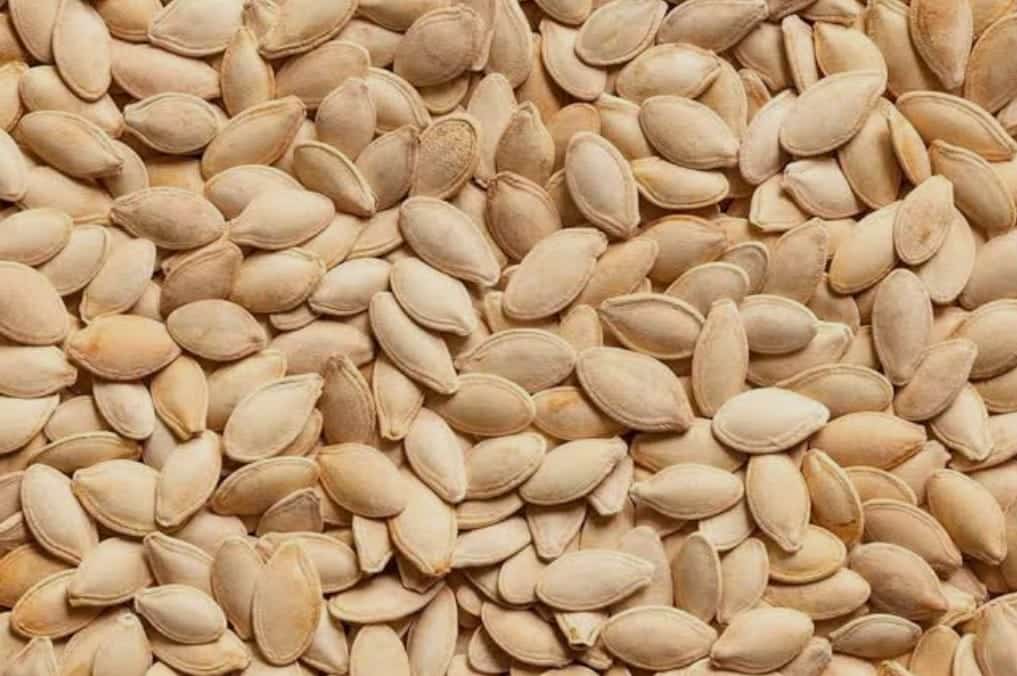
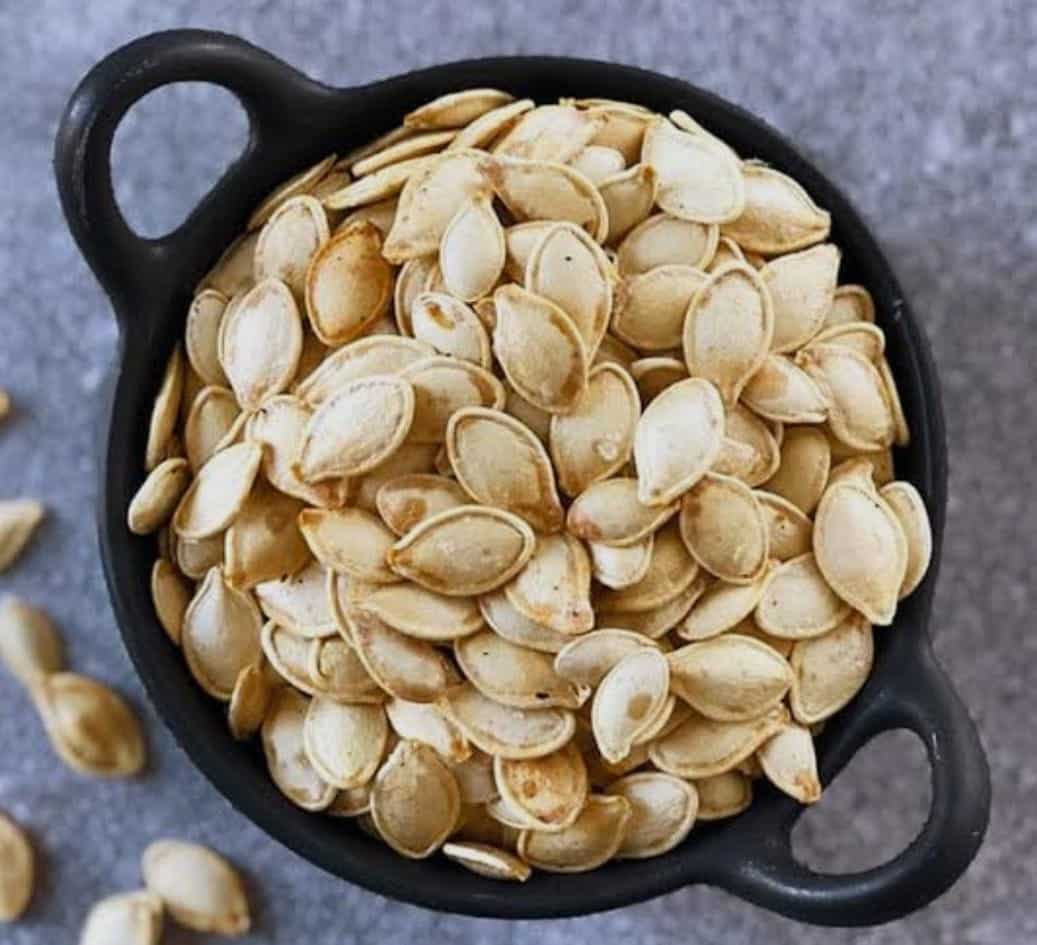
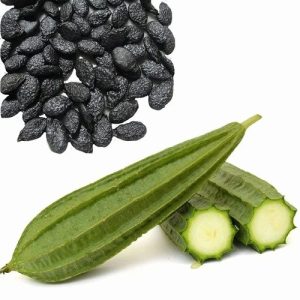
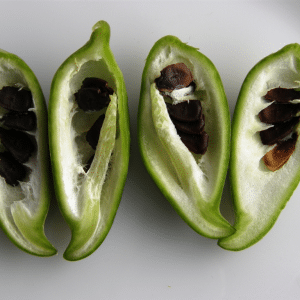
Pahadi Kaddu, also known as Kashiphal, is a vegetable popular in the hilly areas, nutritious and tasty, used in making curry, raita and even sweet (petha), rich in Vitamin A, C, potassium and fibre and aids digestion, and its tender leaves and flowers are also edible. To grow hill pumpkin seeds, choose a warm, sunny location, plant the seeds 1 inch deep in the soil (or make small hills) and water them. The seeds will germinate in 5-7 days. Then, give the plants enough space to spread out and water and fertilize regularly. It’s also beneficial to soak the seeds in water overnight and use grow bags or soil no larger than 12 inches deep.
Right Time and Location:
Sow after the last frost (late frost), when the soil is warm (about 70°F or 21°C).
Choose a location that receives plenty of sunlight during the day and gives the vines plenty of room to spread (4-8 feet apart).
Soil and Instructions:
Make the soil fertile with a little compost or compost.
Make small mounds (hills) of soil and plant the seeds (this improves drainage and heat).
Plant the seeds 1 inch (2.5 cm) deep, with 2-3 seeds spaced out so that if one fails to germinate, another will germinate.
If planting in pots or grow bags (larger than 12 inches), be sure to have drainage holes in the bottom.
Watering and Care:
Water thoroughly after planting, keeping the soil moist but not overly wet.
After germination, remove all but 1-2 of the strongest plants in each mound (cut, not uproot).
Water the soil surface instead of pouring water onto the vines.
As the plants grow, use rope or stakes to support them (especially in hilly areas).
Pest and Disease Control (if needed):
Spray with neem oil to protect against pests.
Harvesting:
Harvest the pumpkins when their skin hardens and begins to change color. Remember to leave the handle on.
पहाड़ी कद्दू (Kaddu), जिसे काशीफल भी कहते हैं, पहाड़ी क्षेत्रों में लोकप्रिय एक सब्जी है, जो पौष्टिक और स्वादिष्ट होती है, इसे सब्जी, रायता और यहाँ तक कि मिठाई (पेठा) बनाने के काम आता है, जो विटामिन A, C, पोटेशियम और फाइबर से भरपूर होता है और पाचन में सहायक है, और इसके कोमल पत्ते और फूल भी खाए जाते हैं. पहाड़ी कद्दू के बीज उगाने के लिए, गर्म, धूप वाली जगह चुनें, मिट्टी में 1 इंच गहरा बीज लगाएं (या छोटी पहाड़ी (पहाड़ी) बनाएं) और पानी दें; बीज 5-7 दिनों में उगेंगे, फिर पौधों को फैलाने के लिए पर्याप्त जगह दें और नियमित रूप से पानी व खाद दें। बीजों को रात भर पानी में भिगोना और 12 इंच से बड़े ग्रो बैग या मिट्टी का उपयोग करना भी फायदेमंद होता है।
सही समय और स्थान:
आखिरी पाले (देर से पाला) के बाद, जब मिट्टी गर्म हो (लगभग 70°F या 21°C), तब बोएं,।
ऐसी जगह चुनें जहाँ दिन में भरपूर धूप आती हो और बेलों को फैलाने के लिए काफी जगह मिले (4-8 फीट की दूरी)।
मिट्टी और निर्देश:
मिट्टी को उपजाऊ बनाएं, थोड़ी खाद या कंपोस्ट खाद।
मिट्टी से छोटे टीले (पहाड़ियां) बनाएं बीज लगाएं (इससे जल निकासी और गर्मी बढ़ती है)।
बीजों को 1 इंच (2.5 सेमी) गहरा लगाएं, एक जगह 2-3 बीज लगाएं ताकि कोई एक न उगे तो दूसरा उग जाए।
गमलों या ग्रो बैग (12 इंच से बड़े) में लगा रहे हैं, तो नीचे जल निकासी के छेद ज़रूर रखें।
पानी देना और देखभाल:
रोपण के बाद अच्छी तरह पानी दें, मिट्टी को नम रखें लेकिन ज़्यादा गीला न करें।
अंकुरण के बाद, हर टीले में सबसे मजबूत 1-2 पौधों को छोड़कर बाकी हटा दें (काट दें, उखाड़ें नहीं)।
बेलों पर पानी डालने के बजाय, मिट्टी की सतह पर पानी दें।
पौधे बड़े होने पर, उन्हें सहारा देने के लिए रस्सी या डंडे का इस्तेमाल कर सकते हैं (खासकर पहाड़ी इलाकों में)।
कीट और रोग नियंत्रण (अगर ज़रूरत हो):
कीटों से बचाव के लिए नीम तेल का स्प्रे कर सकते हैं।
कटाई:
जब कद्दू का छिलका सख्त हो जाए और रंग बदलने लगे, तब कटाई करें। कटाई के समय दाढ़ (हैंडल) छोड़ न भूलें।
There are no reviews yet.